Other
Bumble Automation Survival Guide: Warmup, Verification, and Why It's Honestly D-Tier
Bumble once pushed 140–300 paid fans a day. Today it's a device-fingerprint minefield that eats accounts for breakfast — here's what operators have actually learned.
Updated Jun 2026 · sourced from 10 YouTube creators and 7 operator groups
Key takeaways
- Bumble's peak was real: 140–300 paid subs/day; that era is effectively over.
- KYC verification is required but bypassable outside the US — for now.
- Accounts throttle hard after 20–30 matches; warmup at least 24 hours first.
- Crane app-cloner is flagged; a new phone plus US SIM per account is the safer path.
- D-tier verdict is backed by multiple independent vetted sources — not just one opinion.
At its peak, a single Bumble account could push 140 to 300 paid OnlyFans subscribers per day. (Hunter Ezra OFM, Jan 2026) People built phone farms around that number.
They hired staff. They bought proximity to it like it was real estate.
That number is gone.
What's left is a platform that sues over its own data-collection practices (Hunter Ezra OFM, Feb 2026), wipes verified account batches in single updates, and has pushed multiple independent practitioners to the same two-word verdict: don't bother. (Hunter Ezra OFM, Feb 2026) (TDM Business (OFM), Dec 2025)
But operators are still running it — carefully, at smaller scale, hunting the margin that remains. So here's what they've actually learned.
Why Bumble Killed Its Own Gold Rush
Bumble always collected more device data than most apps. That wasn't an accident — it's the architecture that lets them run behavioral scoring at scale. (Hunter Ezra OFM, Feb 2026)
The company has literally been sued over how much device information it hoovers up, which tells you something about the signal depth any automation is working against.
Add aggressive update cycles that can wipe verified accounts in a single rollout — one operator reported losing 15 verified accounts overnight in a single update (one group, early 2026, single report — treat as anecdotal) — and you have a platform that punishes the exact behavior that once made it profitable.
One agency that previously spent tens to hundreds of thousands of dollars on phone farms, staff, and API bots for dating-app traffic has publicly stopped recommending it entirely. (TDM Business (OFM), Dec 2025) That's not a hobbyist complaining.
That's a sunk-cost confession.
The D-Tier Verdict: Where It Comes From
Bumble's current tier rating isn't one person's bad day. Two separate vetted practitioners rate it D-tier or effectively dead for OFM purposes. (Hunter Ezra OFM, Feb 2026) (TDM Business (OFM), Dec 2025)
A third notes that dating apps as a category require running hundreds of simultaneous accounts just to generate meaningful subscriber volume, with match → Instagram/Telegram → OnlyFans conversion rates that bleed at every step. (Will Mammone, Oct 2025)
For context: Chess.com, which nobody thinks of as a marketing channel, still produces up to 50 paid subs per day with far less infrastructure. (Hunter Ezra OFM, Jan 2026) Bumble needs hundreds of accounts to touch that number.
The math isn't close.
One practitioner puts it plainly: Bumble is slightly better than Tinder for OFM because it's less aggressively patched — but calls dating apps overall expensive to test and hard to run consistently. (Patryk, Mar 2026) That's the bullish case.
What the KYC Gap Actually Looks Like
Here's the one structural edge operators still talk about, and it's worth being precise.
Bumble requires KYC verification (a real model's identity). But outside the United States, there is no live facial recognition — no FaceTec, no biometric liveness check (reported across two separate operator groups, late 2025–early 2026).
Tinder, by contrast, added mandatory US verification with FaceTec biometrics. Bumble hasn't matched that outside the US — yet.
That gap is the entire reason operators are still running Bumble at all in 2026. Remove it, and the conversation ends.
A note on FaceTec bypass claims: operator chatter here is directly contradictory. One thread claims FaceTec is bypassable via faceswap (including with a plastic figure, reportedly verified).
Another, from the same group in the same general window, says FaceTec cannot be bypassed and that anyone selling an 80,000-device-fingerprint tweak is running a scam. **Both claims come from overlapping sources. Neither is independently confirmed.
Treat any bypass claim as unverified until you can test it yourself at low cost.**
The 20–30 Match Throttle: What Triggers It
Fresh Bumble profiles hit a hard wall. After roughly 20–30 matches, unverified accounts get throttled — essentially shadowlocked from further matching (reported by operators across multiple threads, early–mid 2026).
The trigger isn't just match count. It's behavior pattern.
Mass-matching on a fresh profile — especially from a browser session — flags the account as a bot (one group, April 2026). Bumble also discontinued its web version; attempting automation via legacy web gives roughly a 25% success rate and those accounts are conspicuous outliers in Bumble's logs (one group, March 2026 — single source, treat with caution).
The device-app is the correct surface. The browser is not.
The Warmup Protocol Operators Actually Use
The consensus here is tighter than on most other platforms. Across multiple operator threads spanning early 2026:
- Minimum 24 hours of organic behavior before running any automation
- Read profiles, view photos, swipe like a human would — no mass-swipe patterns
- Avoid any behavior that looks programmatic on day one
- Let accounts age before pushing volume; accounts that survive warmup perform better than those rushed into operation
There's one genuine disagreement worth flagging: some operators believe a very good, unrushed warmup makes a fresh account perform as well as an aged one. Others say aging independently — beyond just warmup quality — is a meaningful survival factor (both positions reported across threads, late 2025–early 2026). The honest answer: warmup quality matters enormously; whether aging beyond that adds independent value is unresolved.
For device setup, one vetted practitioner recommends iOS — iPhone X or newer — as the highest trust-rated hardware for dating-app automation. Older models like iPhone 6 or 7 correlate with faster bans. (habibi, Sep 2024)
Emulators are reportedly still functional for running automation in 2026 (one group), though the cleaner path that operators describe is a new physical phone plus a US SIM card per account.
Crane Is Flagged. Here's What Operators Are Using Instead.
This one is unambiguous in the chatter: the Crane app cloner is detected by Bumble (one group, March 2026). Using it marks the account.
The stated alternative — a new phone plus a dedicated US SIM per account — is more expensive and operationally heavier, but it's what operators who care about account survival are running. GeeLark cloud phones appear as the second-line option for verification workflows specifically, with manual verifications sometimes pending one to two hours under live/manual review (one group, April 2026).
For SMS verification during account creation, operators mention several providers — smspool (noted as declining quality), smspva, 5sim.net (flagged as VoIP/lower quality), moonpva, and DaisySMS for US numbers specifically (two groups, late 2025–early 2026). Quality varies and the landscape shifts; treat any vendor mention as current only for the period reported.
The Update Wipe Problem
This is the part of Bumble that makes long-term infrastructure investment genuinely dangerous.
Bumble has rolled out platform updates that wiped previously verified accounts — one operator's report of losing 15 verified accounts in a single update wave is the most specific data point in circulation, but it's one group, one report, and should be weighted accordingly. The broader pattern — that Bumble updates can invalidate existing account states without warning — is consistent with the device-fingerprinting architecture and with the D-tier ratings from vetted sources. (Hunter Ezra OFM, Feb 2026) (TDM Business (OFM), Dec 2025)
You can build a Bumble account. You cannot build a Bumble asset.
The update risk removes the compounding value that makes any channel worth investing in at scale.
Where Operators Disagree (Both Sides, No Picked Winner)
Warmup duration vs. account age: Some operators maintain that warmup quality alone determines survival; others treat account aging as a separate, additive factor. No clean resolution.
FaceTec bypass: One thread says it's viable via faceswap. Another from the same cluster says it's impossible and that vendors claiming otherwise are scammers.
Both positions exist in overlapping operator communities with no independent verification available.
Emulators vs. physical phones: Emulators are reported as still functional (one group, early 2026). Physical hardware with a US SIM is reported as the safest path (same community, overlapping period).
These aren't mutually exclusive — emulators may work at lower survival rates — but no comparative data exists to quantify the difference.
Bumble vs. Tinder for OFM: One vetted practitioner rates Bumble as slightly better due to less aggressive patching. (Patryk, Mar 2026) Another treats both as effectively dead for scaled operation. (TDM Business (OFM), Dec 2025)
The honest read: Bumble may have a marginal edge on technical accessibility right now; it shares the same structural decay curve as Tinder. (Patryk, Mar 2026)
The Honest Bottom Line
Bumble is D-tier because the infrastructure cost of running it — hardware, SIMs, warmup time, update risk, verification overhead — doesn't produce returns that justify the spend for most operators. (Hunter Ezra OFM, Feb 2026) (TDM Business (OFM), Dec 2025) Dating apps as a category need hundreds of simultaneous accounts to move real subscriber volume (Will Mammone, Oct 2025), and loopholes in dating-app security have a measured lifespan of weeks, sometimes less. (Will Mammone, Oct 2025)
The operators still running Bumble are doing so outside the US, on physical devices, with careful warmups, and without expectation of permanence. They are not building assets.
They are farming a gap that closes on Bumble's update schedule.
If you are non-technical, don't run it. If you are technical and can absorb the per-account cost without needing long-term stability, the KYC gap outside the US is a real window — while it lasts.
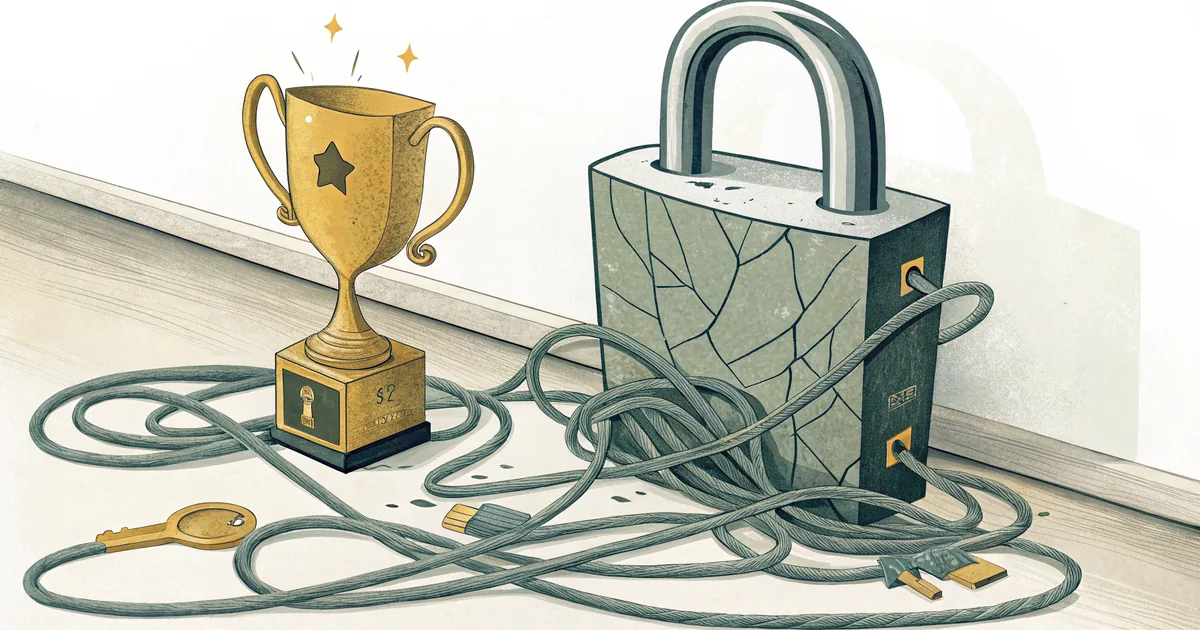
But go in knowing what you're buying: a short lease on infrastructure you don't own, in a building that updates its locks without telling you.
Sources
On the record (YouTube creators):
- Patryk — OFM Marketing Tier List (2026), Mar 2026. Watch ↗
- habibi — Onlyfans management Ask me anything (leaked call), Sep 2024. Watch ↗
- Hunter Ezra OFM — ofm marketing legacy tier list, Jan 2026. Watch ↗
- Will Mammone — The ACTUAL Best Traffic Method For OnlyFans Creators (forever), Oct 2025. Watch ↗
- Hunter Ezra OFM — ofm marketing tier list, Feb 2026. Watch ↗
- TDM Business (OFM) — The Ultimate Social Media Tier List for OFM 2025, Dec 2025. Watch ↗
Community intelligence: 36 operator claims aggregated from 7 separate private OFM groups (Dec 2025–May 2026), corroboration counted across groups. Group identities are withheld to protect sources; browse the underlying intel in the Community Intel Wiki.